
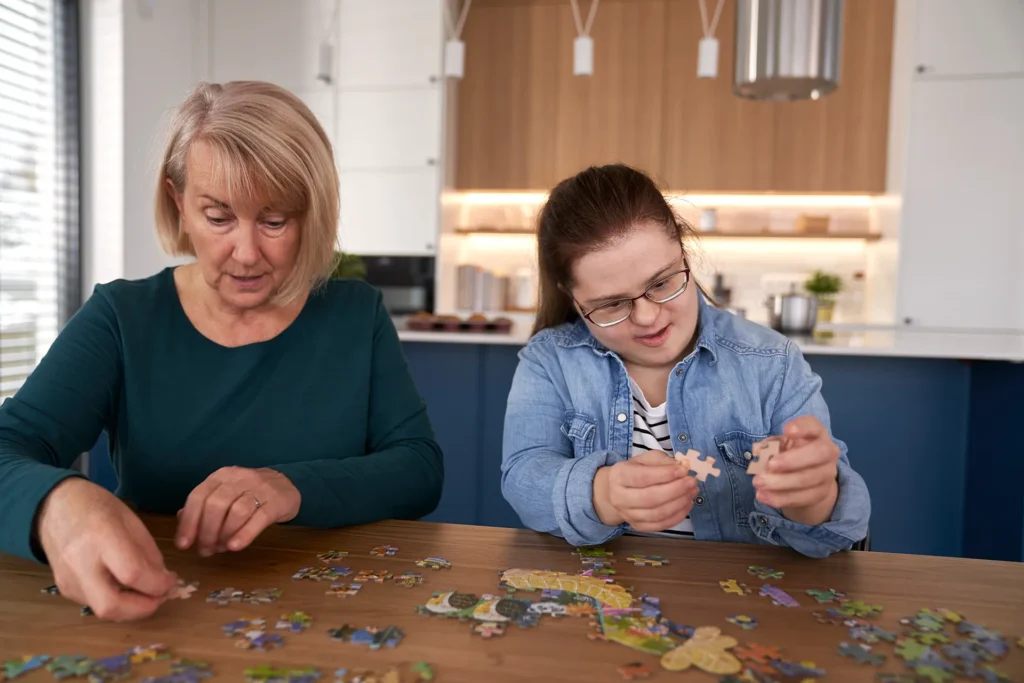
Choosing care for someone you love is one of those decisions that looks “practical” on paper… but feels deeply personal in real life. One minute you’re comparing options, the next you’re worrying about whether Mum will feel lonely, whether Dad is safe overnight, and whether you’re even asking the right questions.
If you’re weighing home care vs residential care, you’re not alone. It’s one of the most common crossroads families face in the UK especially after a fall, a hospital stay, or a slow build-up of “they’re just not coping like they used to”.
This guide will help you compare home care vs residential care in a clear, human way. No fluff, no scare tactics just the key differences, which option suits each best, and how to decide with confidence.
Understanding the basics: what’s the difference?
Before you decide between home care vs residential care, it helps to define them clearly because people often mean different things when they say “care”.
What is home care?
Home care (also called domiciliary care) is support provided in your loved one’s own home. It can be:
- Visiting care: a carer visits once a day, twice a day, or several times a day.
- Live-in care: a carer lives in the home and supports throughout the day (with agreed breaks and arrangements).
Home care can be as light-touch as help with shopping and meals, or as hands-on as personal care, medication support, and mobility assistance.
What is residential care?
Residential care means your loved one moves into a residential care home where staff provide 24/7 support with personal care, meals, and day-to-day living. It’s not the same as a nursing home (nursing homes provide qualified nursing care on-site, too). Residential care is more “all-in” care, accommodation, and social support in one place.
Home care: who it suits best (and why)?
Home is powerful. For many older adults, staying at home isn’t just a preference—it’s stability, identity, and comfort rolled into one.
Home care often works best when:
1) Your loved one is mostly independent but needs help with specific tasks.
If they’re managing okay but struggling with:
- Bathing and dressing.
- Meal preparation.
- Remembering medication.
- Housework and laundry.
- Visiting home care can cover the gaps without turning life upside down.
2) Familiar surroundings reduce anxiety (especially with memory changes).
For people in early-to-mid stages of dementia, moving can be disorienting. Care at home keeps routines intact, and routines are gold dust.
3) There’s strong family support nearby (but not unlimited).
Home care pairs well with family involvement. You don’t have to do everything—home care can cover personal care and safety tasks. While the family handles companionship, shopping, or appointments.
4) Your loved one values privacy and control.
At home, they choose when to get up, what to eat, what to watch, and how to spend their day. That sense of control matters.
5) What does home care include?
Depending on needs, home care can support with:
- Personal care (washing, dressing, continence).
- Medication prompts or assistance (as appropriate).
- Meals, hydration, and shopping.
- Mobility support and transfers.
- Companionship, outings, and light exercise.
- Housekeeping and laundry.
- Overnight support (in some cases).
6) Potential downsides of home care
Home care can become challenging when:
- Your loved one needs constant supervision.
- They are unsafe at night (wandering, falls, confusion).
- Carers are coming in 3–4 times daily, and it still doesn’t feel enough.
- The home environment is difficult to adapt to (stairs, narrow hallways, no downstairs toilet).
- Family carers are exhausted and running on adrenaline.
None of those are moral failures. They’re just practical limits.
Residential care: who it suits best (and why)?
Residential care is sometimes misunderstood as “giving up”. In reality, for many families, it’s a step towards safety, structure, and a better quality of life. Residential care often works best when:
1) Care needs are frequent and increasing.
If your loved one needs help with most daily tasks washing, dressing, toileting, eating and needs it consistently, residential care can reduce the constant patchwork of visits and worry.
2) There are safety risks at home.
If there are repeated falls, leaving the hob on, confusion with doors, or missed medication, residential care may provide a safer environment with staff always nearby.
3) Loneliness is becoming a real problem.
This one gets underestimated. Some older adults are “fine” at home practically, but emotionally, they’re isolated. A good care home offers:
- Social activities.
- Regular meals with others.
- Day-to-day chatter and companionship.
For many, that alone can lift mood and appetite. It’s not magic, but it’s meaningful.
4) Family carers are burning out.
If caring is taking over your life sleep, work, your health, your relationships residential care can protect both your loved one and you. Love shouldn’t cost you your well-being.
What does residential care typically include?
- 24/7 staff support.
- Personal care.
- Meals and nutrition monitoring.
- Activities and social programmes.
- Help with medication (varies ask specifics).
- Housekeeping and laundry.
- Safety adaptations (handrails, accessible bathrooms, call bells).
Potential downsides of residential care
- It’s a major change emotionally (for everyone).
- Your loved one may need time to settle (some settle quickly; others take weeks).
- Not all care homes are equal quality varies.
- If nursing-level needs arise, a move to nursing care might be needed later.
Still, for the right person, residential care can feel like relief rather than loss.
Home care vs residential care
If you’re stuck choosing between home care vs residential care, these are usually the deciding factors:
1) Night-time needs
Ask yourself: Are nights safe?
- Frequent toileting.
- Wandering.
- Confusion.
- Falls risk.
- Anxiety and agitation at night.
If nights are becoming risky and exhausting, residential care (or live-in care with night support) often becomes the safer option.
2) Dementia progression
With dementia, the question often becomes: Is the home still the safest place? Home can work well with the right support, but if your loved one:
- Is leaving the house unsafely?
- Is forgetting basic safety steps.
- Needs constant prompts.
- A residential setting designed for dementia care may reduce distress.
3) Mobility and transfers
If moving from bed to chair, chair to toilet, or managing stairs is difficult, the level of support needed might be higher than standard visiting care can safely provide.
4) Social well-being
Some people thrive at home with visits and family. Others fade without daily connection. A good care home can create structure and social contact without forcing it.
5) Family capacity
Not just “can we do it?” but can we do it sustainably? There’s a big difference between “we can manage this week” and “we can keep this going for the next year
Costs and funding basics (UK overview)
Costs vary widely by location and level of support, but a few truths generally apply:
- Home care costs can add up as visits increase.
- Live-in care can be comparable to care home fees in some cases.
- Residential care includes accommodation + care, so it often looks more expensive upfront.
To understand what support your loved one may be entitled to, you can request:
- A care needs assessment from the local council.
- A financial assessment (means test) to determine if council funding may apply.
Also, depending on health needs, some people may qualify for NHS Continuing Healthcare (CHC), which can fund care if needs are primarily health-related.
Questions to ask before choosing home care
When speaking to a home care provider, ask:
- How do you match carers to clients?
- Will we have consistent carers (or a rotating team)?
- What happens if a carer is off sick?
- How do you handle medication support?
- Can you support dementia needs and behaviour changes?
- Do you provide overnight care if needs increase?
- How do you report concerns to the family?
Questions to ask before choosing a residential care home
When visiting a care home:
- What is the staff-to-resident ratio on day shifts and nights?
- How do you support independence (rather than taking over)?
- What’s a typical day like for residents?
- How do you support people who are anxious or unsettled?
- Can residents personalise their rooms?
- What are the visiting arrangements and meal options?
- How do you handle end-of-life planning (sensitively but clearly)?
Visit more than once if you can. A home can feel very different on a Tuesday morning compared to a Saturday afternoon.
Final Words
Deciding between home care and residential care can feel overwhelming.
There’s no perfect choice only the one that fits your loved one’s needs is the right one. What matters most is safety, comfort, and quality of life, not sticking to a plan that no longer works. Take time to talk things through, explore your options, and remember that changing course later is okay. The right support should help your loved one and you feel more at ease.