
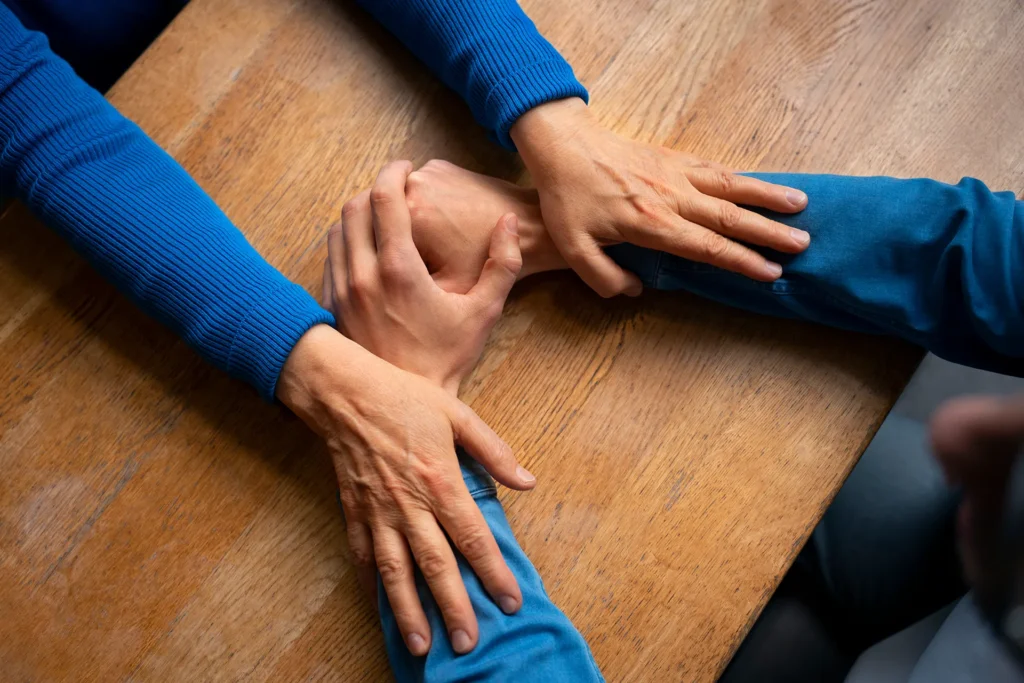
Tailored home care supports people with unique health and lifestyle needs to live with comfort and dignity in their own homes. Knowing the types of specific care available can improve the quality of life for people with specific health needs.
Introduction – The heart of personalised care
No two people age the same way, recover from illness the same way, or live with disability in exactly the same way. That’s why care for specific needs has become one of the most important shifts in modern home care. Instead of one-size-fits-all approaches, families and professionals are recognising that personalised, flexible support is what truly helps people thrive.
From dementia and mobility challenges to complex medical conditions or simply needing companionship, everyone’s situation is unique. Home care that’s tailored to these differences allows individuals to stay safe, comfortable, and independent — without losing their sense of self.
Step 1 – Understanding what “care for specific needs” really means
The phrase care for specific needs covers a broad spectrum. People with chronic illnesses, cognitive decline, mental health conditions, or physical disabilities need this type of care. It also includes short-term assistance after surgery, palliative care, or even everyday help for those who just need a hand with cooking or personal care. Each care plan should reflect the person’s physical condition, emotional well-being, cultural background, and daily routines. When done right, this type of care respects dignity and encourages independence, rather than taking it away.
Why tailored care matters?
Basic care does not meet the specific needs of a person. That’s why the care for specific needs model focuses on seeing the whole individual — not just their diagnosis or limitations.
- A person with Parkinson’s may need help with fine motor tasks, but values privacy during dressing.
- Someone recovering from a stroke might need speech therapy integrated into their daily conversation.
- An older adult with dementia benefits from structured routines and familiar faces to reduce anxiety.
Tailored care meets people where they are — physically, emotionally, and socially.
Step 2 – The rise in demand for specialised care
The demand for care for specific needs is rising in the UK. Longer life expectancy means more people are living with long-term conditions that require specialised support at home. According to Age UK, nearly half of adults aged 65+ have two or more chronic illnesses, while diagnoses of dementia continue to rise each year.
Families increasingly prefer home care over institutional care because it allows loved ones to remain in familiar surroundings. Hospitals and care homes play an essential role. But many people recover better and feel more comfortable at home, where they can maintain their routines, pets, and social connections.
Types of care for specific needs
Every person’s needs are different, but most fall into a few main categories. The most common forms of care for specific needs include:
Dementia and Alzheimer’s care
It provides support and care to people with cognitive decline and mental health issues. Carers trained in dementia care use techniques that reduce confusion and maintain dignity. It includes consistent daily routines, memory aids, and gentle conversation. These things can make their life easier and better.
Physical disability support
It provides help and support to people with physical disabilities. Carers can help people to move around the house and exercise. They also help in safe transfer to the hospital or visit a family member or friend. So, those people can stay connected and independent.
Post-operative care
People can use this type of care after surgery or hospital discharge. With the right care and support, recovery at home can be safe and comfortable. Carers can help manage medication and wound healing to reduce the risk of readmission.
Palliative and end-of-life care
It is vital for anyone living with a serious, life-limiting illness where a cure is no longer possible, and also for people with complex illnesses needing symptom management. Palliative home care provides comfort, pain management, and emotional support. It is not only for the individual but also for their family.
Learning disability and autism support
It provides care and support to people with learning disabilities or autism. Carers help them to learn to do daily tasks and interact socially. They also help teach them consistent routines and communication strategies that make their quality of life better.
Mental health and emotional well-being
Home carers often support people coping with anxiety, depression, or social isolation. They provide companionship and motivation, which help people to connect with their communities.
Step 3 – The people who make it possible
Behind every great care plan are dedicated professionals — carers, nurses, therapists, and coordinators — who deliver compassion with skill. Care providers rely on these individuals who combine medical knowledge with compassion. Care quality improves when carers feel cared for and supported. To support and care for the carers, care providers can do these things.
- Continuous training: to stay updated on conditions like dementia or mobility aid usage.
- Emotional well-being: carers often face stress and burnout; support and care help improve their mental health.
- Respect: treating carers as valued professionals improves dedication and job retention.
How does technology help in providing care?
Technology now plays a crucial role in providing care for specific needs. Modern home care has smart tools that make care more efficient and responsive.
- Remote monitoring systems that give sms to nurses and families if any health changes.
- Medication reminders and smart pill dispensers to ensure adherence.
- Telecare consultations for follow-ups without long travel.
- GPS devices to support people with dementia in safely navigating their neighbourhoods.
Technology doesn’t replace carers — they empower them to focus more on connection and less on paperwork or logistics.
Challenges in delivering care for specific needs
While the benefits are clear, personalised care also faces some hurdles, such as:
- Funding gaps: specialised care can be more resource-intensive.
- Staff shortages: demand is more than the available qualified carers.
- Coordination issues: families, GPs, and care agencies may not always communicate clearly.
- Emotional strain: balancing independence with safety can be difficult for families.
Collaboration between public services, private providers, and local communities can help to overcome these challenges. A coordinated, person-centred approach ensures nobody falls through the cracks.
How can families choose the right care?
Families can feel daunted when selecting the care provider for a loved one. They should look for when considering care for special needs:
- Experience and specialisation: Does the provider have trained staff for specific conditions?
- Person-centred beliefs and practices: do they treat clients as individuals, not cases?
- Transparent communication: regular updates and planning are necessary for better care.
- Safety and regulation: the agency must be registered with the Care Quality Commission (CQC) in the UK.
- Positive reputation: genuine client testimonials can be very telling.
A good care provider becomes a partner in providing the right care and support to families’ loved ones.
Step 4 – See outcomes and impact
Quality in care for specific needs isn’t only about ticking boxes. The person’s confidence, comfort, and engagement with life will show the
real outcomes. It includes:
- Physical independence and improved mobility.
- Reduced hospital readmissions.
- Stronger emotional well-being and reduced loneliness.
- Positive feedback from families and professionals.
Innovations in care for special needs
Demand for specialised home care will rise as society continues to age. In the future, technology will combine with healthcare and compassionate human support. We will see more hybrid models where remote monitoring, community engagement, and professional carers all work hand in hand. The care for special needs will also focus more on prevention, spotting small changes early to avoid crises later. Empowering people with information, training family carers, and using data intelligently will transform how we approach ageing and long-term care.
Conclusion – Care that truly fits the person
At its heart, care for specific needs is about one simple idea: people deserve to live their lives on their own terms, no matter their circumstances. When care is personalised — shaped around individual habits, preferences, and challenges — it doesn’t just meet physical needs; it nurtures independence and dignity.
Whether you’re a family member searching for support, a professional caregiver, or a policymaker shaping the future of home care, remember that good care begins with understanding the person. Their stories, hopes, and fears are the foundation on which all meaningful support should be built.